
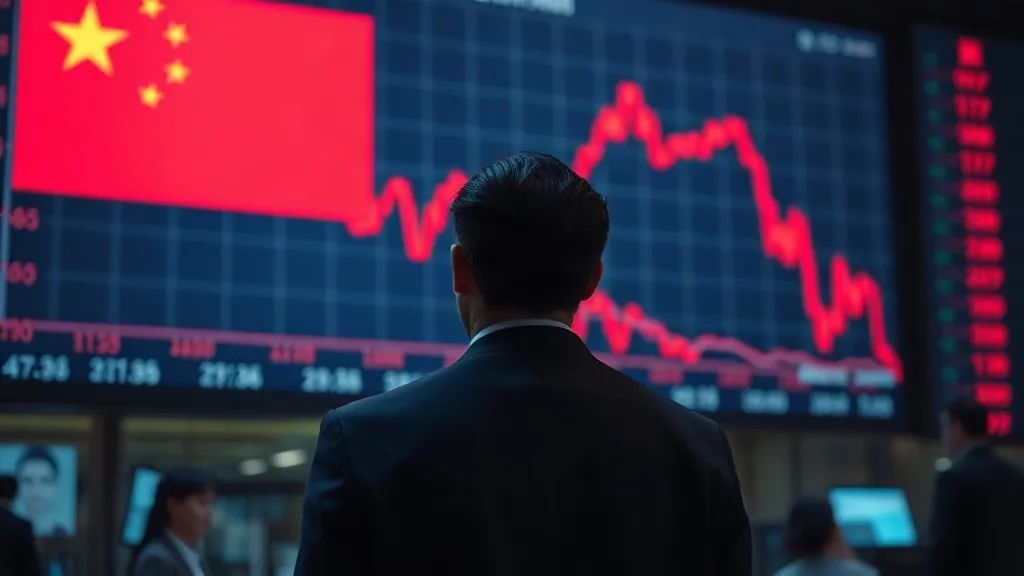
In a stunning turn of events, Nvidia, the world's most valuable chipmaker, saw approximately $430 billion erased from its market capitalization over just two trading days. The trigger: CEO Jensen Huang's admission of an extramarital affair with a woman who is alleged to be a Chinese spy. The revelation has sent shockwaves through the tech and financial worlds, prompting calls for Huang's resignation and raising serious questions about corporate governance at the heart of the AI revolution.
The Scandal Unfolds
The news broke late last week when Huang, 61, issued a statement acknowledging the affair. According to sources, the woman, whose identity has not been fully disclosed, is suspected of having ties to Chinese intelligence. While no charges have been filed and the allegations remain unproven, the mere suggestion of espionage has rattled investors already jittery about Nvidia's sky-high valuation.
Nvidia's stock, which had been on a tear throughout 2024, plummeted nearly 12% on the day the news surfaced, followed by another 6% drop the next day. The sell-off wiped out roughly $430 billion in shareholder value, marking one of the largest two-day losses for any company in history. The plunge also dragged down the broader semiconductor index and raised fears of contagion across the tech sector.
Why This Matters: Governance and Geopolitics
Nvidia is not just any company. It is the linchpin of the global AI boom, supplying the GPUs that power everything from ChatGPT to autonomous vehicles. Its market cap had surpassed $3 trillion earlier this year, making it a bellwether for the entire technology industry. Huang, a charismatic and visionary leader, has been the face of that success. But the scandal threatens to undermine both his leadership and the company's reputation.
The alleged connection to a Chinese spy adds a geopolitical dimension. Nvidia has been at the center of US-China tech tensions, with export controls limiting its ability to sell advanced chips to Chinese customers. If the woman indeed had ties to Beijing, it could raise national security concerns and invite scrutiny from lawmakers and regulators. Already, some politicians have called for an investigation into whether any sensitive information was compromised.
Investor Reaction and Calls for Resignation
Investors are demanding answers. Several major shareholders, including hedge funds and pension funds, have publicly urged Huang to step down, arguing that the scandal has become a distraction and that new leadership is needed to restore confidence. "The board must act swiftly to protect shareholder value," said one institutional investor who spoke on condition of anonymity. "Jensen's personal conduct has put the entire company at risk."
Nvidia's board of directors has so far stood by Huang, issuing a brief statement expressing support for the CEO and stating that an internal review is underway. But the pressure is mounting. Analysts note that the board's response will be closely watched, as it tests the company's commitment to good governance.
The Broader Tech Sector Impact
Nvidia's turmoil has ripple effects across the tech industry. The Philadelphia Semiconductor Index fell 4% over the same period, with rivals AMD and Intel also seeing declines. The AI hype cycle, which has driven valuations to dizzying heights, may now face a reality check. "This is a wake-up call for the entire sector," said one analyst. "Investors are reassessing the risks, not just for Nvidia but for any company riding the AI wave."
Moreover, the scandal could complicate Nvidia's business dealings. The company has been expanding aggressively, partnering with governments and corporations worldwide. Trust is paramount in these relationships, and any hint of impropriety could slow deals or invite tougher regulatory oversight.
What's Next for Nvidia?
The immediate focus is on the board's next move. If Huang resigns or is ousted, Nvidia will need to find a successor capable of navigating both the technical and political challenges ahead. The company's deep bench of talent includes several seasoned executives, but replacing a founder-CEO is never easy.
In the longer term, Nvidia must rebuild trust with investors, customers, and regulators. That means full transparency about the affair and any potential security breaches, as well as stronger governance protocols. The scandal also serves as a reminder that even the most successful companies are vulnerable to human failings.
Lessons for Leaders and Investors
For corporate leaders, the Nvidia saga underscores the importance of personal conduct. In the age of heightened scrutiny, private actions can have public consequences. For investors, it is a lesson in concentration risk: even a rockstar CEO can be a liability. Diversification and active oversight remain essential.
As the story develops, all eyes will be on Nvidia's board and Huang himself. The coming weeks will determine whether this is a temporary setback or a turning point for the AI giant.
Frequently Asked Questions
What exactly happened with Jensen Huang?
Jensen Huang admitted to having an affair with a woman who is alleged to be a Chinese spy. The revelation led to a massive sell-off of Nvidia stock, erasing $430 billion in market value over two days.
Is the woman confirmed to be a spy?
No, the allegation is unproven. Authorities have not filed any charges, and the investigation is ongoing. However, the mere suspicion has been enough to spook investors.
How has Nvidia's board responded?
The board has expressed support for Huang and initiated an internal review. But some shareholders are calling for his resignation, and the board's next steps are uncertain.
What does this mean for Nvidia's business?
The scandal could distract management, damage relationships with partners, and invite regulatory scrutiny. However, Nvidia's technology remains in high demand, so the long-term impact will depend on how the company handles the crisis.
Should investors sell Nvidia stock?
That depends on individual risk tolerance. The stock may remain volatile in the short term, but Nvidia's fundamental strength in AI chips is intact. Investors should watch for governance changes and any signs of operational disruption.