
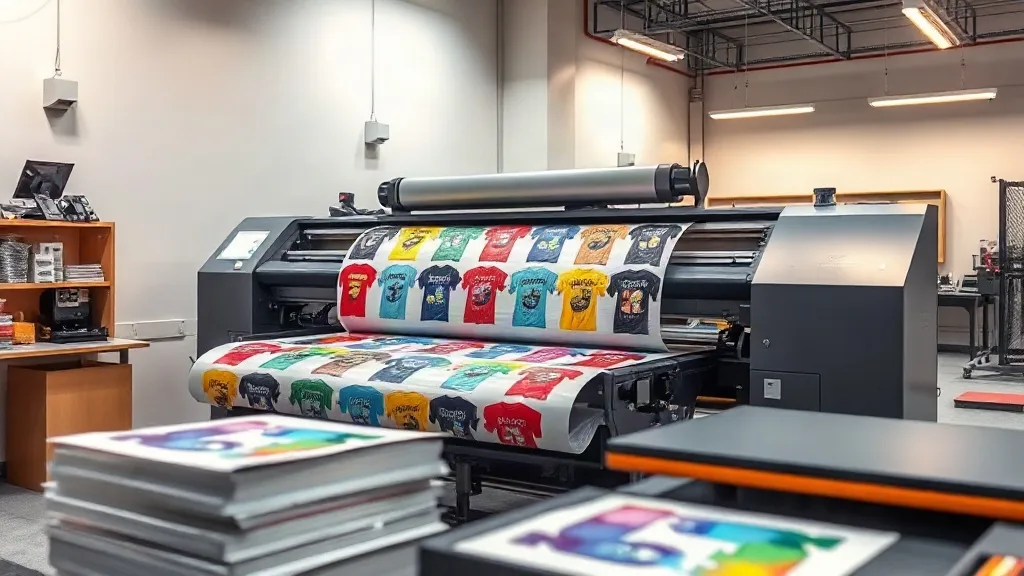
Running a print shop means juggling dozens of tasks at once: designing, printing, pressing, shipping, and keeping customers happy. If you're still printing one design at a time, you're likely wasting time, material, and money. Enter the DTF Gangsheet: a game-changer for small and medium apparel businesses. In this guide, I'll share what I've learned from years of trial and error, so you can avoid the pitfalls and start reaping the benefits immediately.
What Is a DTF Gangsheet and Why Should You Care?
A DTF gangsheet is essentially a large sheet where multiple designs are printed together in one go. Instead of loading a new sheet for each order, you arrange several designs on a single film, maximizing your printer's output. The concept is similar to gang printing in offset lithography, where multiple jobs are combined to save setup time and reduce waste.
For DTF (Direct to Film) printing, gangsheets are a natural fit. The process involves printing designs onto a special film, applying adhesive powder, and then heat-pressing the film onto fabric. By grouping designs, you not only speed up production but also make better use of your film and ink. I remember the first time I tried a gangsheet after years of one-off printing; the difference was night and day. Suddenly, I could fulfill a batch of 50 shirts in a fraction of the time, and my material costs dropped noticeably.
The Tangible Benefits of Using DTF Gangsheets
Let's break down the advantages so you can see how they apply to your shop.
Time Savings That Add Up
Every time you load a new sheet, you spend time aligning, printing, and unloading. With a gangsheet, you load once and print many. For a typical order of 20 shirts with different designs, you might go from 20 separate print jobs to just one or two sheets. That's hours saved each week, which you can reinvest in marketing or taking on more orders.
Cost Reduction Across the Board
Material waste is a silent profit killer. DTF film, ink, and powder all cost money. By nesting designs efficiently, you reduce leftover film and ink. I've seen shops cut their film usage by up to 30% after switching to gangsheets. Plus, less waste means fewer reorders of supplies, which saves on shipping and storage.
Consistency and Quality Control
When you print multiple designs on one sheet, they all go through the same printer settings, curing, and pressing conditions. This consistency is hard to achieve with individual prints. I've found that colors match better across designs, and the overall quality is more uniform. It's also easier to spot defects early because you can inspect the entire sheet at once.
How to Build an Effective DTF Gangsheet
Creating a gangsheet isn't just about throwing designs together. A little planning goes a long way.
Design Placement and Nesting
Start by arranging your designs to minimize empty space. Think of it like a puzzle: rotate and shift designs to fill gaps. Most RIP software includes nesting tools, but manual tweaking often yields better results. Keep in mind the grain of the film and the direction of the adhesive powder for consistent feel.
Choosing the Right Sheet Size
DTF film comes in various widths, commonly 13, 17, and 24 inches. Choose a width that matches your typical order sizes. For small shops, 13-inch sheets are manageable and fit most printers. If you're doing larger batches, wider sheets reduce the number of loads. I recommend starting with a roll and cutting sheets to your needed length, as this offers flexibility.
Managing Color and Ink Limits
When printing multiple designs, watch out for ink-heavy areas. Too much ink can cause smudging or poor adhesion. Use your RIP software to adjust ink limits per design. Also, group designs with similar color profiles together to avoid constant printer recalibration.
Common Mistakes to Avoid with DTF Gangsheets
Even experienced printers slip up. Here are pitfalls I've encountered and how to steer clear.
- Overcrowding: Packing too many designs can lead to cutting errors and film buckling. Leave a small margin between designs.
- Ignoring film orientation: DTF film has a coated side; printing on the wrong side ruins the sheet. Always double-check.
- Inconsistent powder application: Too much or too little adhesive powder affects durability. Use a powder shaker for even coverage.
- Skipping test prints: Always run a small test to check color and adhesion before committing to a full gangsheet.
By avoiding these, you'll save yourself reprints and frustration.
Integrating Gangsheets into Your Workflow
Adopting gangsheets requires a shift in how you schedule jobs. Instead of printing on demand, batch similar orders together. For example, dedicate Mondays and Thursdays to gangsheet production. Use a simple spreadsheet to track designs and quantities, and communicate cut-off times to customers. This batching approach also helps you negotiate better rates with suppliers since you'll be ordering materials in bulk.
Frequently Asked Questions About DTF Gangsheets
Can I use a DTF gangsheet for different fabric types?
Yes, DTF transfers work on cotton, polyester, blends, and even some nylons. However, pressing settings may vary. Always test on a swatch first.
How do I store unused portions of a gangsheet?
Keep them in a cool, dry place away from direct sunlight. Use a dust-free container to prevent contamination. Avoid folding; roll them instead.
What's the maximum size of a DTF gangsheet?
It depends on your printer and film width. Common widths are up to 24 inches, but some industrial printers handle 60 inches. Length is limited by your film roll and printer's feed.
Do I need special software to create gangsheets?
Most RIP software includes gangsheet layout tools. Alternatively, you can use design software like Photoshop or Illustrator to arrange designs manually, then export as a single file.
How does a gangsheet affect turnaround time?
It significantly reduces turnaround because you print multiple designs in one pass. However, you may need to wait to accumulate enough designs to fill a sheet. Balance batching with customer expectations.
Embracing DTF gangsheets has transformed how I run my print shop. It's not just about saving money; it's about working smarter and delivering better quality to customers. Give it a try, and you'll wonder why you didn't start sooner.